The Laramie Project
Everyone carries a piece of the truth.
Synopsis
"The Laramie Project" is set in and around Laramie, Wyoming, in the aftermath of the murder of 21-year-old Matthew Shepard. To create the stage version of "The Laramie Project," the eight-member New York-based Tectonic Theatre Project traveled to Laramie, Wyoming, recording hours of interviews with the town's citizens over a two-year period. The film adaptation dramatizes the troupe's visit, using the actual words from the transcripts to create a portrait of a town forced to confront itself.
Main Cast

Dylan Baker
Rulon Stacey

Tom Bower
Father Roger Schmit

Clancy Brown
Rob Debree
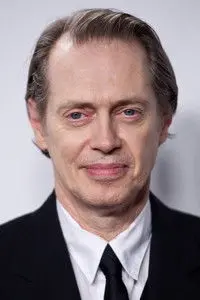
Steve Buscemi
Doc O'Connor

Jeremy Davies
Jedadiah Schultz

Clea DuVall
Amanda Gronich

Peter Fonda
Doctor Cantway

Janeane Garofalo
Catherine Connolly

Bill Irwin
Harry Woods

Joshua Jackson
Matt Galloway
Trailer
User Reviews
CinemaSerf
If you're at all familiar with the television movie made about the brutal slaughter of Matthew Shepard from 2002, you'll already know why New York's Tectonic Theatre Company descended upon the town of Laramie. Home to just shy of 30,000 citizens, this town has been rocked by the recent homophobic attack on a twenty-one year old man by two young men who pistol whipped him before tying him to a fence in a nearby field and leaving him to die of his wounds and of hypothermia. The actors/writers have decided to theatrically recreate some of this story and so are travelling the length and breadth of the town seeking interviews with the residents - all whilst the town deals with it's own feelings of anger and guilt and whilst their courthouse tries the two men who are accused of perpetrating the crime. The timeline here begins whilst Shepard is still alive - comatose, but still alive, and by using a combination of news actuality and some poignant acting contributions from the likes of Dylan Baker (his doctor) and the usually quite effective Kathleen Chalfant this tries to get into the inner thoughts of a community that is largely, though not exclusively, disgusted by the behaviour of two young men. There's a lot of "this couldn't happen here" going on; a fair degree of public protest and a few reminders that "faggots will die in hell" from folks who didn't consider the murder of a gay lad to be such an heinous crime. Indeed, one individual suggested that he hoped the severely injured man used his last few moments of consciousness to reflect on his "lifestyle". It's grim stuff, mostly, and it serves to showcase just how a veneer of tolerance and acceptability can be smashed when drunken frenzy takes hold. Sadly, though, the construction of this film is a bit all over the place and I found the hybrid style of it's production left me uncertain as to what was real and what was derived from some fairly painful transcriptions. Of course, those do give a contemporaneousness to the storytelling but they also serve to provide a load of extra opinions that distract a little from the thrust of a story of three families - one of the victim, two of the killers themselves, which is left a little undeveloped. It also looks at the role of religion and faith, of community and of forgiveness and as the deceased man's father puts it at the end, perhaps it illustrates that from this crime might an healing process begin that extends beyond their own homes? It could have made for a better documentary than a docu-drama, I think.